By Julius Lim · Cosmetic Science & Skincare Development · Published 16 Jun 2026
In this written interview, OEMReview speaks with Poh Tze Kheng, Founder and Group Managing Director of ORIZI Group, about the operational realities of OEM manufacturing, the differences between trend-driven and corporate product programmes, and the challenges of building a multi-category manufacturing group.
Interviewee: Poh Tze Kheng, Founder & Group Managing Director, ORIZI Group
Interviewed by: OEMReview Editorial Team
Interview conducted: 22 May 2026 · Published: 16 June 2026
Location: Ipoh, Perak, Malaysia · Format: Written interview
Fact-checking status: Company information was reviewed against publicly available corporate, regulatory and certification references available as of May 2026.
The interview was edited for clarity and length. Corporate information and manufacturing claims were reviewed using information supplied by the company and selected publicly available records. Certifications, licences and product capabilities remain subject to the scope, validity period and issuing authority stated in the relevant official documents.
How does ORIZI avoid spreading its resources too thinly?
OEMReview: ORIZI Group operates across cosmetics, functional food, medical devices, fragrance and other consumer product categories. How do you prevent the group from becoming too diversified or spreading its resources too thinly?
Poh Tze Kheng: This is a legitimate concern. Diversification only works when the different operations have clear responsibilities, appropriate leadership and their own technical capabilities.
ORIZI Group is not structured as one factory attempting to manufacture every category under the same team. The businesses operate through specialised companies, with different leadership teams, professional personnel and, in some cases, different investors.
Each operating company concentrates on its own product category, regulatory requirements and customer segment. The group provides the shared direction and ecosystem, but the technical and operational responsibilities remain with the relevant company.
We also do not assume that an opportunity is suitable simply because it falls somewhere within health, beauty or wellness. Each project must still be assessed according to capability, regulatory status, investment requirements and commercial viability.
The purpose of diversification is to create complementary capabilities—not to accept every possible product.
Does every ORIZI company have its own production facility?
OEMReview: Do all six companies within ORIZI Group own or operate their own manufacturing facilities?
Poh: The manufacturing activities are separated according to product category and regulatory requirements.
Cosmetics, functional food and medical devices cannot simply be manufactured interchangeably in one general production area. Malaysian regulations, facility requirements, quality systems, equipment and personnel controls differ according to the type of product being manufactured.
For that reason, the relevant manufacturing companies operate through facilities designed for their respective categories. A cosmetics facility follows a different manufacturing and quality framework from a functional-food plant or medical-device facility.
This separation is necessary for regulatory compliance, but it also improves accountability. Each operation must be responsible for the standards, documentation and technical requirements applicable to its own products.
OriGener is different because its principal role is business development and brand growth rather than manufacturing.
Why choose ORIZI over a larger manufacturer?
OEMReview: Malaysia already has several large and established OEM manufacturers, particularly in Selangor. Why should a customer choose ORIZI instead?
Poh: A larger factory may be the correct choice for certain customers. We do not claim that ORIZI is automatically suitable for every project.
Our advantage is the combination of specialised manufacturing categories and differentiated service models. We support customers across beauty, personal care, fragrance, functional food and selected medical-device categories through one broader ecosystem.
However, having multiple categories is only part of the answer. The more important distinction is that different market segments require different ways of working.
A multinational company, pharmacy chain or established retailer may require detailed documentation, extensive testing, longer approval processes and high-volume production. An online brand may need speed, trend awareness, visually distinctive products and a shorter development cycle.
A start-up using our Ready2Brand model has very different needs from a corporate customer developing a proprietary formulation. We should not place all these customers into the same system.
OEMReview: Does that mean ORIZI applies different quality standards to different customers?
Poh: The required safety, regulatory and manufacturing controls cannot be compromised. However, the development process, service structure, commercial model and level of customisation may differ.
For example, a dermatologist or medical-aesthetic practitioner developing a professional product may require a different formulation approach, supporting documents and communication process from a direct-selling company or an online beauty brand.
Similarly, a viral product developed for social-commerce channels cannot always follow the same timeline as a multinational corporate project. The online market depends heavily on timing, trend relevance and rapid execution.
The distinction is not about giving one customer ‘better quality’ than another. It is about providing the appropriate development and service model for the intended market.
ORIZI’s ability to compete with larger manufacturers comes from combining recognised manufacturing systems and certifications with this more targeted approach. We have experience supporting established international customers, but we also maintain programmes for smaller entrepreneurs and fast-moving brands.
Scale is important, but relevance and responsiveness are also important.
Ready2Brand and emerging entrepreneurs
OEMReview: How does the Ready2Brand programme fit within ORIZI’s manufacturing model?
Poh: Ready2Brand is intended for entrepreneurs who want to enter the market without beginning with a completely customised formulation and a lengthy development process.
A new entrepreneur may not yet have the volume, technical knowledge or financial capacity required for full custom development. Ready2Brand provides a more structured route using selected product concepts, established development foundations and more accessible starting quantities.
It reduces some of the complexity, but it is not a guarantee of commercial success. The entrepreneur still needs a clear target market, suitable branding, sufficient marketing capital and a realistic sales plan.
We regard it as an entry pathway. As the brand develops and gains stronger market evidence, it can move towards more customised products and larger manufacturing programmes.
Has ORIZI’s medical-device business reached commercial scale?
OEMReview: Is ORIZI’s medical-device division already commercialised, or is it still building its capabilities?
Poh: The medical-device business has entered commercial operations.
We presently distinguish between two main market segments. The first consists of private-sector customers, including pharmacy chains and healthcare-related retailers. The second is the institutional healthcare market, which includes hospitals and government procurement programmes.
The requirements are not identical. Private retail products must meet the relevant regulatory and quality requirements, but branding, packaging and consumer positioning also play an important role.
Hospital products are more specification-driven. They may involve formal procurement processes, technical documentation, supply commitments and tender requirements. We have participated in this market, including projects supplying products through Malaysian government hospital tenders.
That said, medical-device manufacturing is not a static capability. Commercialisation has begun, but continued investment in quality systems, regulatory compliance, validation and product development remains necessary.
Corporate structure
ORIZI Group operates through six specialised companies:
- Dr Orizi (M) Sdn. Bhd. — Registration: 201201006241 (979766-W). Cosmetics, skincare and personal care manufacturing.
- OriGener Health & Beauty Sdn. Bhd. — Registration: 201601018879 (1189815-W). Business development and brand growth.
- D&O Nutraceutical Manufacturing Sdn. Bhd. — Registration: 201801047201 (1309233-A). Powdered functional-food manufacturing.
- Nutrizens Wellness Sdn. Bhd. — Registration: 202401054443 (1600287-X). Liquid functional-food manufacturing.
- Skyler Medical Manufacturing Sdn. Bhd. — Registration: 202101038874 (1439174-P). Medical-device manufacturing.
- Imedify Medical Solution Sdn. Bhd. — Registration: 202001000733 (1357052-U). Medical-device solutions and toxicology.
The registration information above was supplied by ORIZI Group and should be cross-checked against current Companies Commission of Malaysia records when relied upon for legal or commercial due diligence.
Certifications and regulatory scope
ORIZI Group’s manufacturing ecosystem includes facilities operating under standards and regulatory frameworks relevant to their respective product categories. These may include GMP, ISO 22716, ISO 22000, HACCP, ISO 13485, Halal manufacturing requirements, MDA establishment licensing and other recognised social, quality and supply-chain standards.
These certifications and approvals should not be interpreted as applying automatically to every ORIZI Group company or product. Each certificate is limited to the company, facility, activity, product category, certification scope and validity period stated in the corresponding official document.
Prospective customers should request the current certificate or licence applicable to their intended product before making a commercial decision.
Editorial disclosure
ORIZI Group supplied corporate background information, company registration details and selected supporting materials. The company was given an opportunity to verify factual information concerning its corporate structure, manufacturing activities and regulatory positioning.
OEMReview retained editorial control over the article’s structure, questions, contextual observations and final presentation. Inclusion in this article does not constitute an endorsement, certification or guarantee by OEMReview.
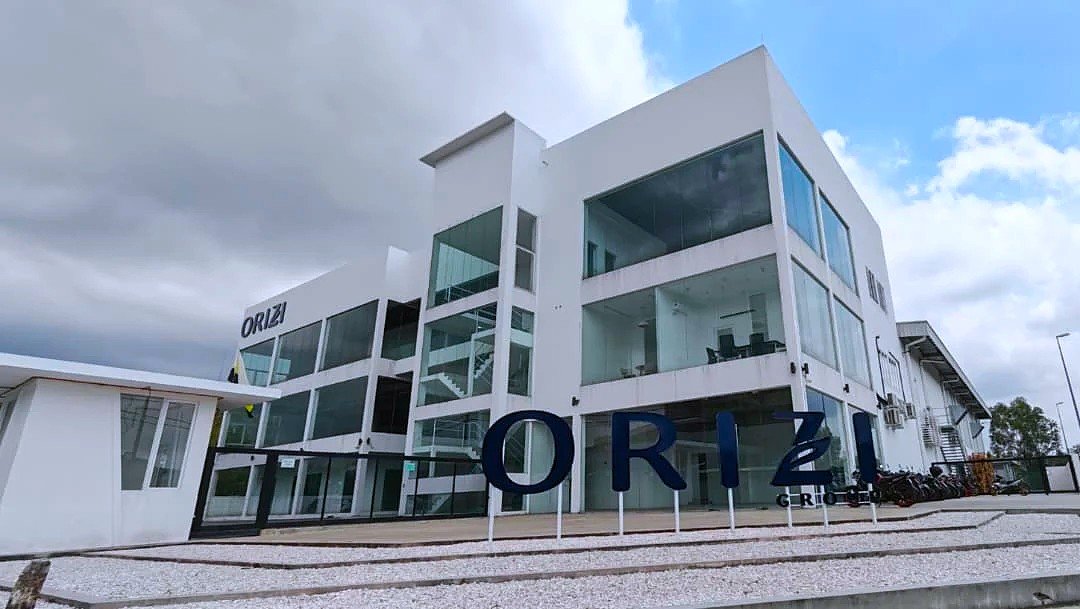
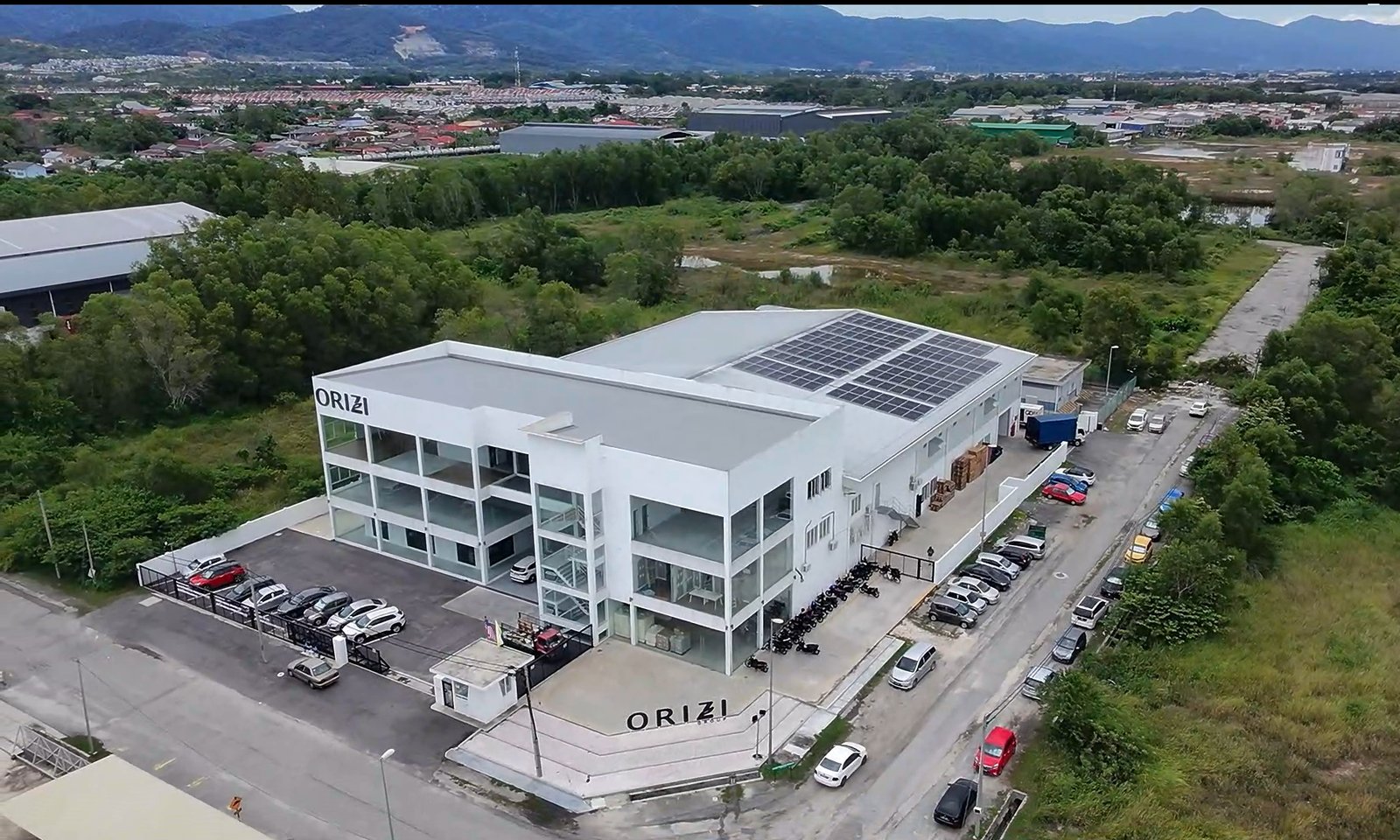
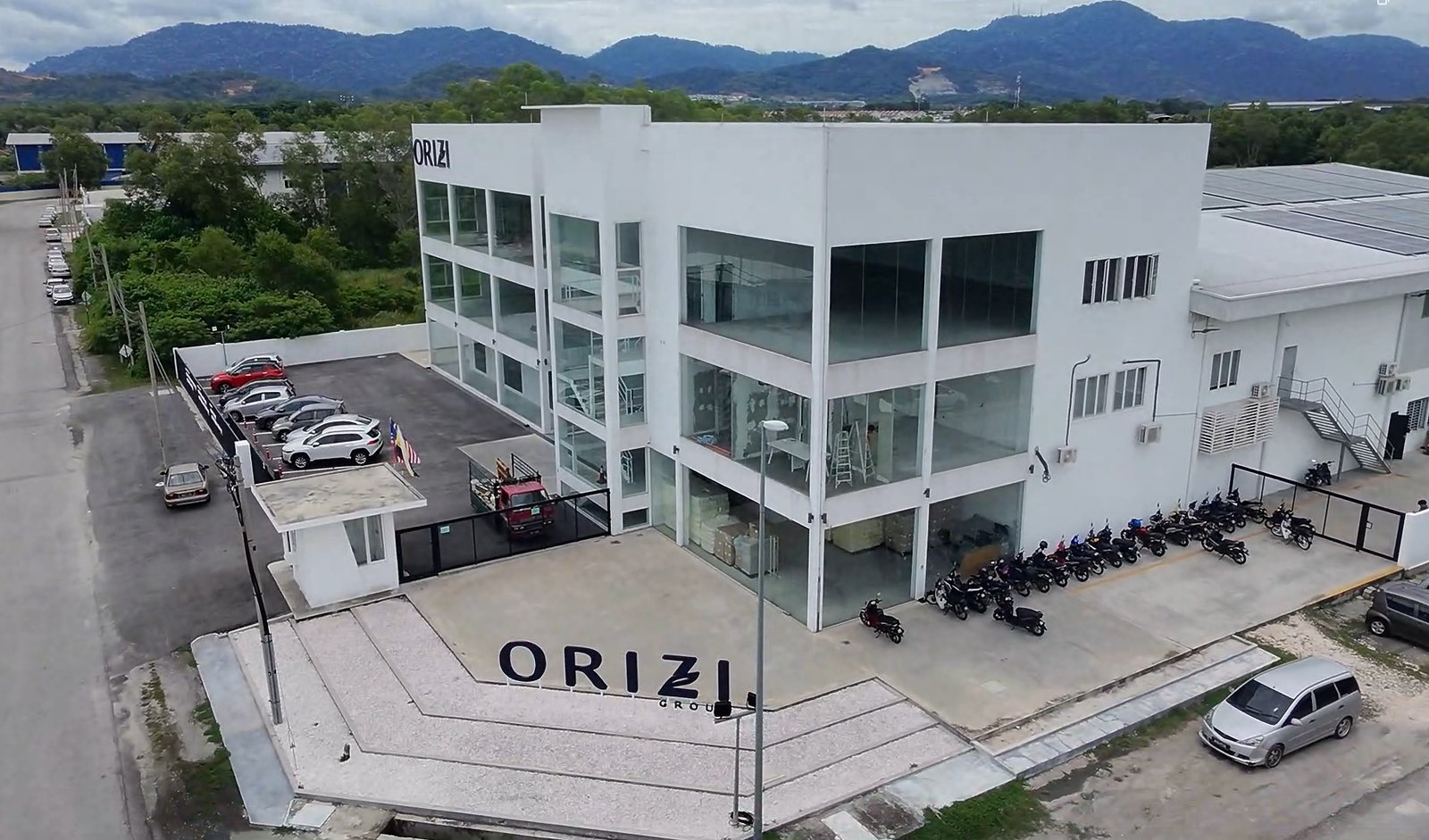
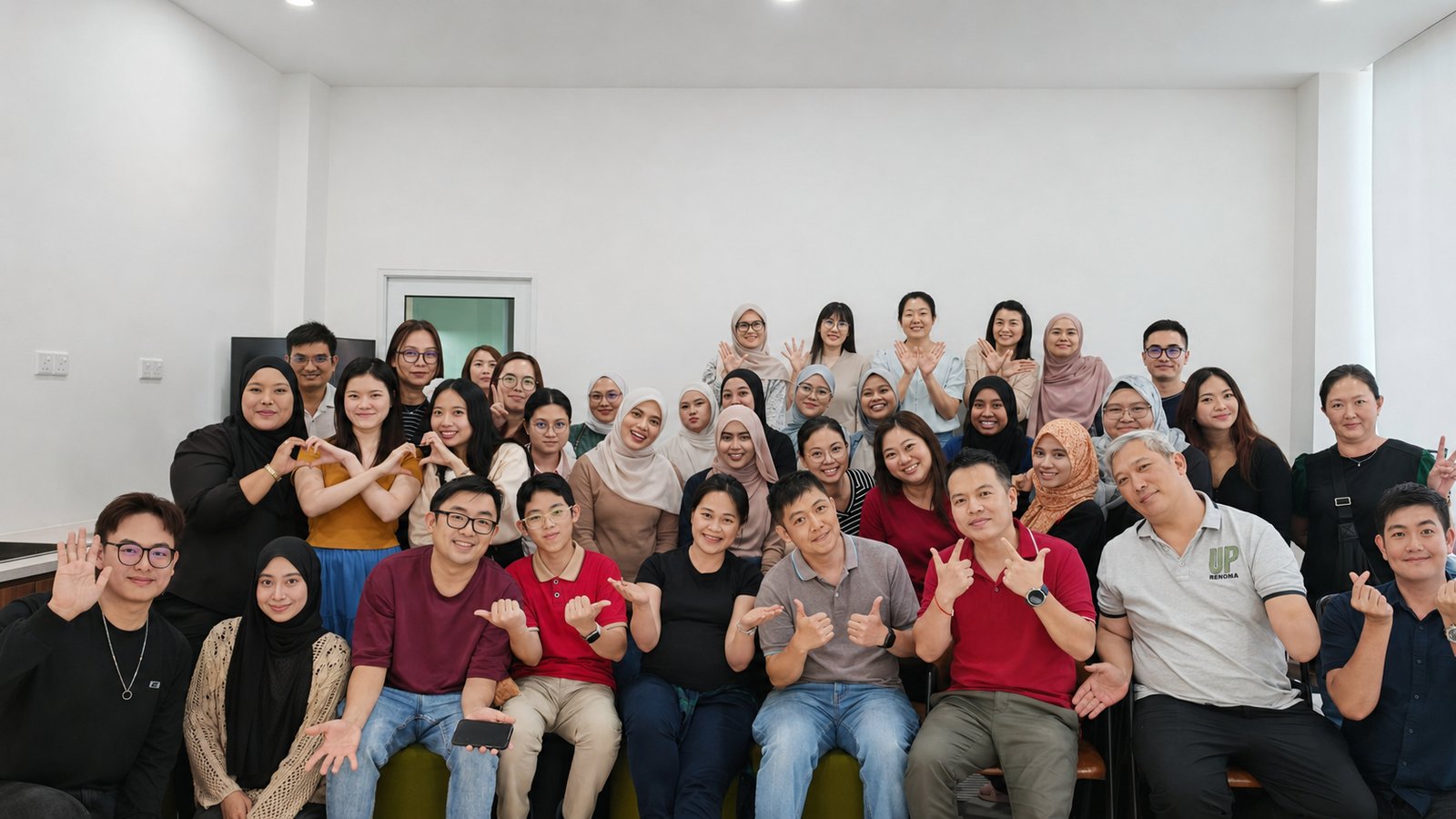
The photographs accompanying this article show ORIZI Group’s headquarters in Ipoh, Perak, and members of its team, and were supplied by the company. They are provided for illustration and are not documentary photography of the written interview conducted on 22 May 2026.
Corrections and verification
This article reflects information available as of May 2026. Certifications, licences, company structures, manufacturing capabilities and tender status may subsequently change.
OEMReview welcomes corrections supported by current official records. Readers conducting supplier due diligence should independently verify relevant information with the Companies Commission of Malaysia, applicable regulatory authorities, certification bodies and the operating company concerned.
About the author
Julius Lim is a Malaysian skincare entrepreneur and cosmetic science professional with over 20 years of experience in skincare, product development and brand building. He holds an MBA and formal training in cosmetic science, with particular interest in the skin microbiome, Asian botanical ingredients and science-backed skincare. LinkedIn