OEMReview’s Founder Spotlight series revisits publicly published interviews with consumer-product founders and draws out the manufacturing and product-development lessons most relevant to OEM and private-label brand owners. This edition looks at SUGAR Cosmetics, the Indian colour-cosmetics brand co-founded by Vineeta Singh.
A gap found in the data
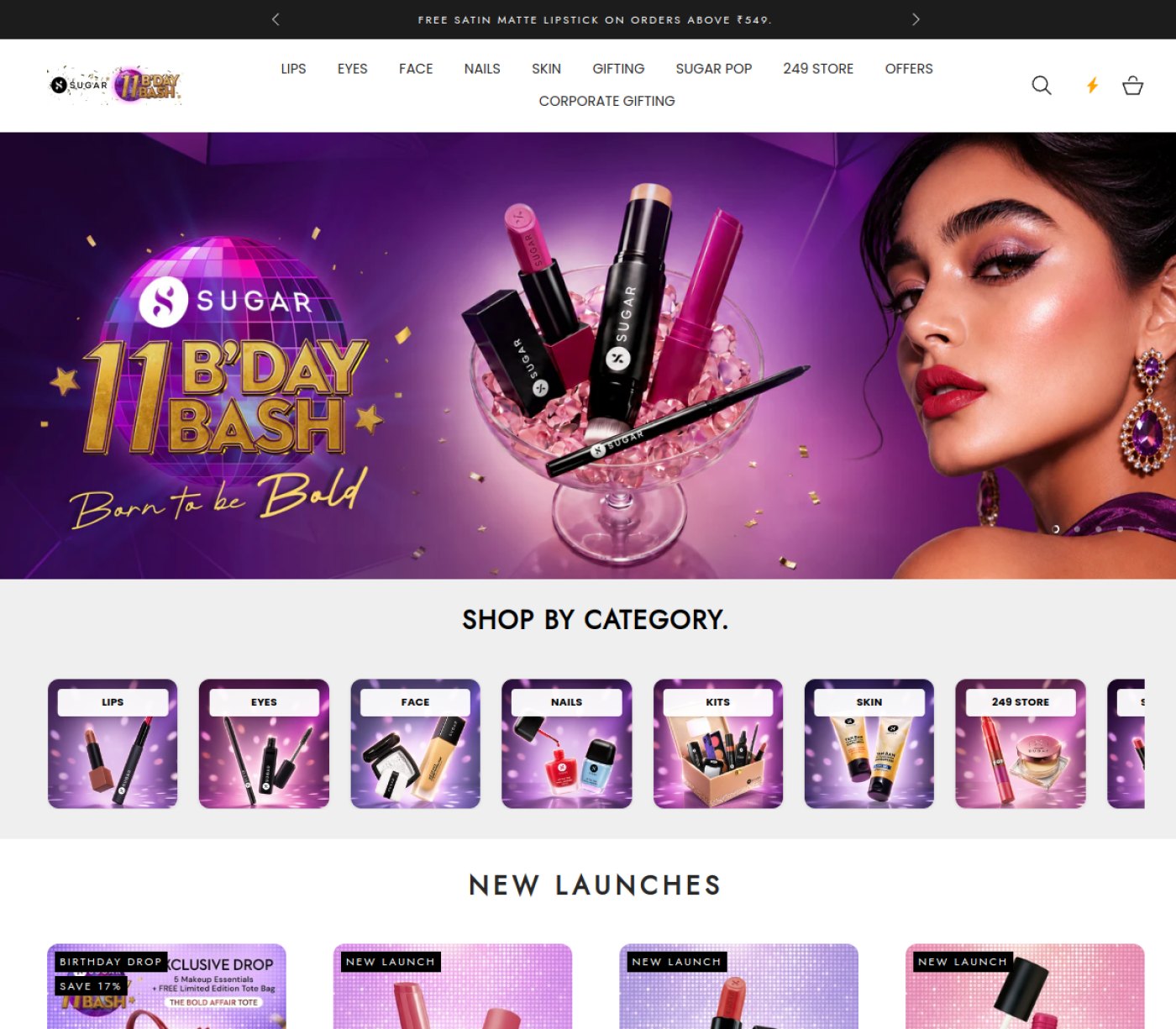
SUGAR Cosmetics didn’t start with a hunch — it started with subscriber data. Running the beauty subscription service Fab Bag, Vineeta Singh saw the same complaints repeat: women wanted long-lasting, transfer-proof makeup built for Indian skin tones and climate, and the global giants weren’t delivering it. SUGAR, launched in 2015, was the answer.
“After research, I realized the need for quality cosmetics for Indian women – that’s how Sugar Cosmetics was born,” Singh has said.
The manufacturing decision: borrow trust with ‘Made in Germany’
Here is the part every OEM founder should note. Singh entered beauty with limited manufacturing knowledge and a tight budget — and made a deliberate sourcing choice. SUGAR’s early hero products, an eyeliner and a kohl pencil, were produced by a German manufacturer, and the “Made in Germany” provenance gave first-time customers confidence in a new brand.
As the brand grew, it built a multi-country manufacturing footprint — drawing on facilities across Germany, Italy, India, the United States and Korea — matching each product to the right specialist rather than forcing everything through one factory. The product line itself was developed iteratively: SUGAR leaned into matte, everyday-wear formats because that was what its customers actually reached for.
“After research, I realized the need for quality cosmetics for Indian women – that’s how Sugar Cosmetics was born.”
— Vineeta Singh, SUGAR Cosmetics
What OEM & private-label brand-builders can learn
- A manufacturer’s country can be a trust signal. “Made in Germany” did marketing work for a young brand. Where you produce — and whether you say so — can shape how buyers judge a new label.
- You don’t need one factory for everything. SUGAR matched categories to specialist manufacturers across several countries. Choosing the right partner per product type often beats forcing a single supplier to do it all.
- Let data write the product brief. The transfer-proof, matte, Indian-skin-tone direction came from real customer behaviour. Bring evidence, not assumptions, to your OEM development meetings.
- Cosmetics is capital-intensive — scale with discipline. Long, expensive development cycles and cash tied up in inventory are the norm. Plan working capital around your production runs from the start.
Written by Dee Truong for OEMReview. Brand names are used for identification and commentary only. Read more at StartupTalky.
About the author
Dee Truong is a Vietnam-based professional with experience in the beauty and consumer-product sector. Her interests include product development, market trends and the commercial side of bringing consumer products from concept to market. LinkedIn