
By Dee Truong · Product Development & Market Trends · Published 31 May 2026
Indonesia is the largest beauty market in South-East Asia by population and spend, and its manufacturing base has grown to match — both in the form of “maklon” contract manufacturers built for low-MOQ private label, and in a handful of domestic giants whose brands most Indonesian shoppers recognise instantly. What ties the sector together is BPOM oversight and, increasingly, Halal certification as a genuine commercial advantage rather than a compliance afterthought.
This guide profiles eight OEM/ODM cosmetic manufacturers with real production capability in Indonesia — from accessible maklon specialists to the country’s largest manufacturer-brands — with what each is known for and a link to its official website.
Key takeaways
- For low-MOQ private label, Maklon Kosmetik Indonesia, Aimskincare and Republic of Soap are the most accessible starting points.
- Paragon is the largest domestic manufacturer by far; Kino, Mandom and Martha Tilaar Group are established manufacturer-brands operating at real scale.
- Indonesia is a genuinely strong choice for Halal-positioned beauty, given its status as the world’s largest Muslim-majority consumer market.
- Every manufacturer below has an active website and a verifiable Indonesian production track record.
How we chose this list
We focused on manufacturers with genuine Indonesian production capability, recognised standing in the local industry, and a live corporate website. Indonesian cosmetics are regulated by BPOM (the National Agency of Drug and Food Control) and produced under CPKB/GMP standards; several manufacturers below also support Halal certification, which matters commercially as much as it does religiously in this market. This is not a paid-placement list — order reflects scale and recognition, not sponsorship.
1. Aimskincare Manufacturing
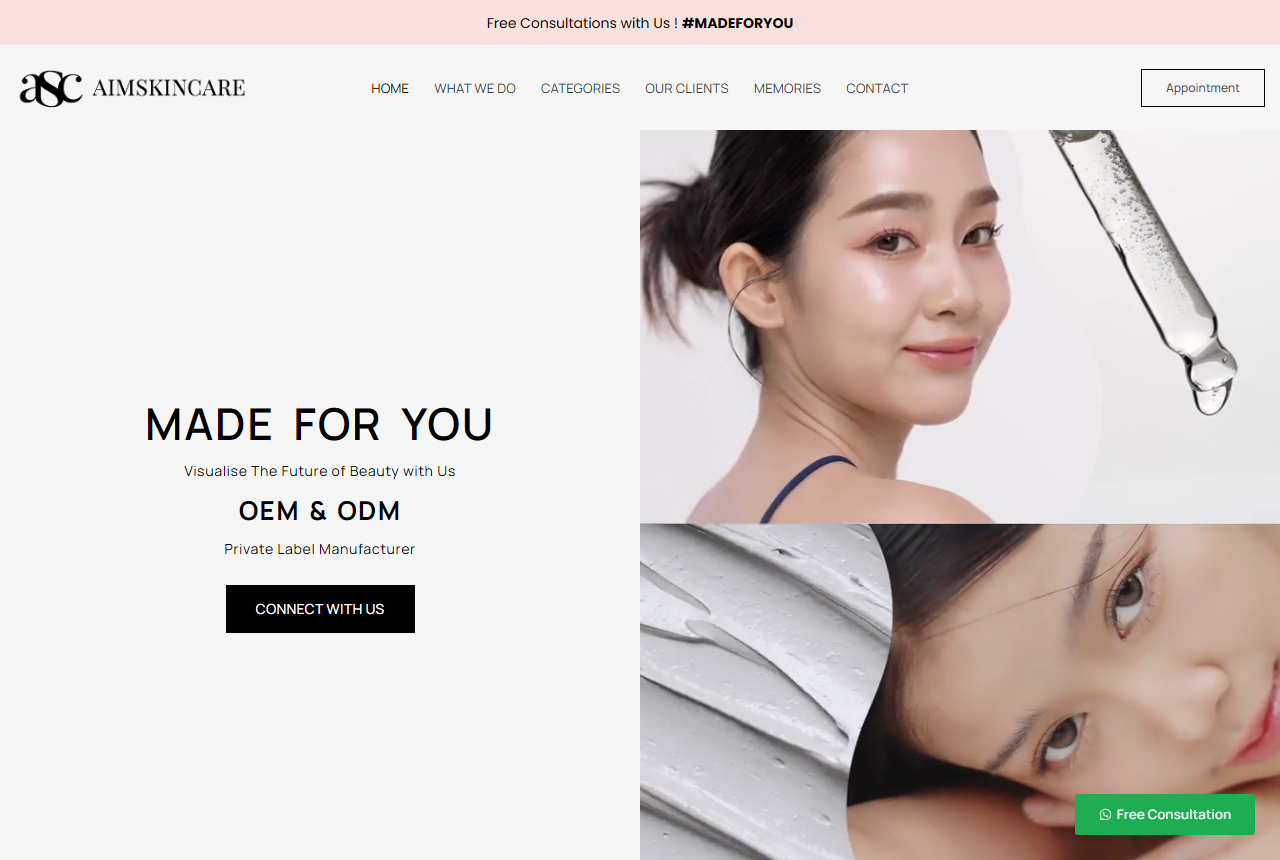
HQ: Jakarta · Type: OEM/ODM private label · Best known for: Skincare, makeup, hair & baby care
Aimskincare covers an unusually wide category spread for a maklon-style manufacturer — skincare, makeup, oral care, hair and mom-and-baby products — with concept-to-launch support built into its service. BPOM-compliant production and that category breadth make it a reasonable single partner for brands planning to expand across categories early.
Visit Aimskincare Manufacturing →
2. Kino Indonesia
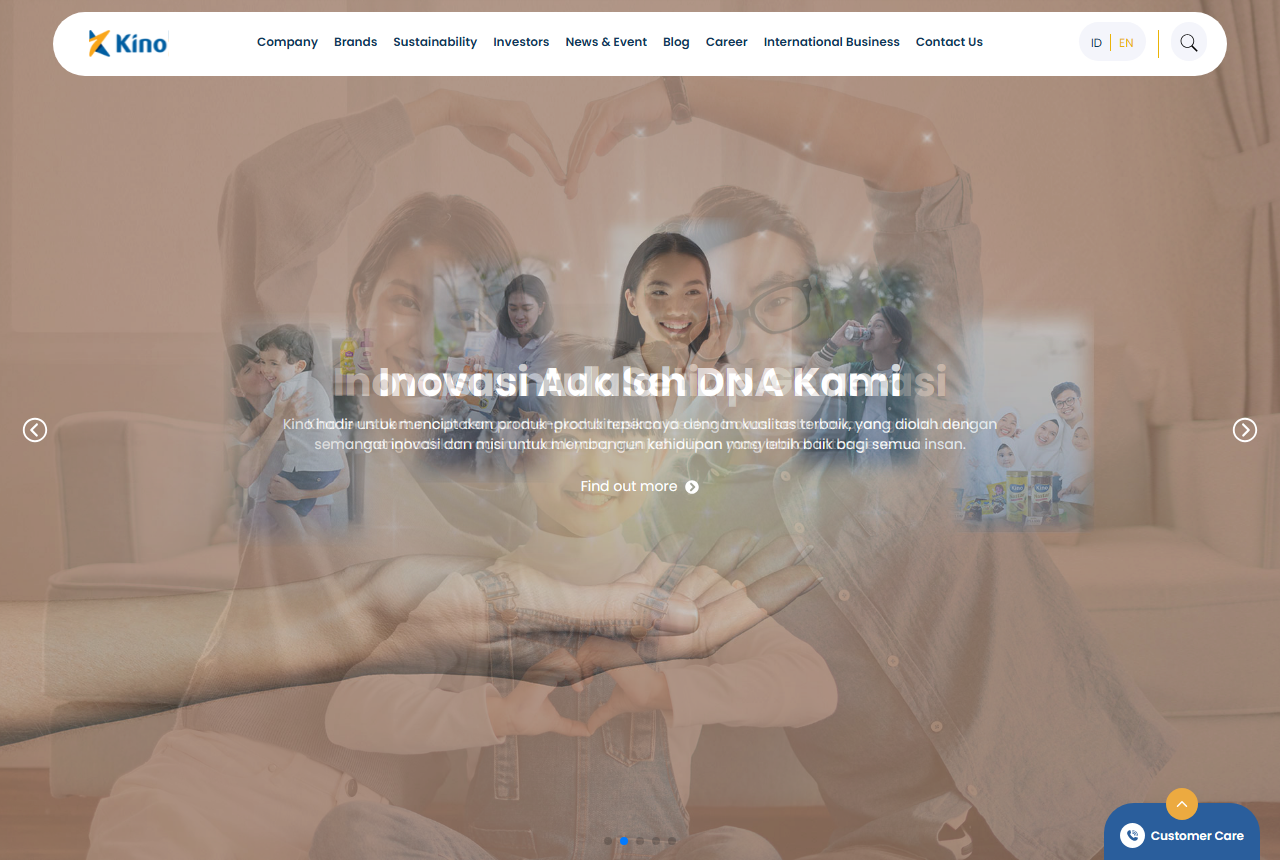
HQ: Tangerang · Type: Manufacturer-brand · Best known for: Personal care & cosmetics at national scale
Kino is a major Indonesian consumer-goods player with a sizeable personal-care and cosmetics portfolio built around brands like Ellips, and its scale gives it production and innovation resources that smaller maklon houses simply can’t match. It’s a stronger fit for brands with real committed volume than for early-stage private label.
3. Maklon Kosmetik Indonesia (MKI)
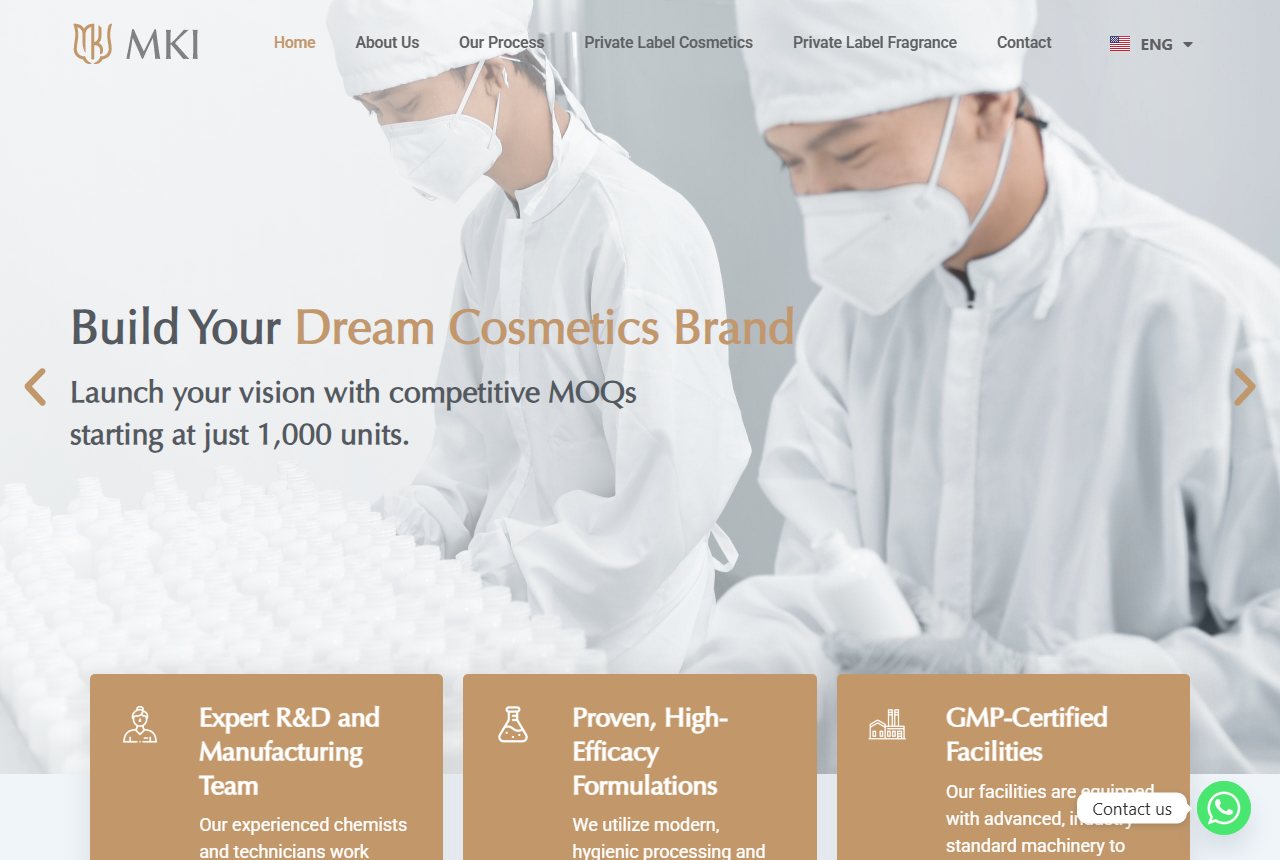
HQ: Surabaya · Type: OEM/ODM maklon (low MOQ) · Best known for: Private-label skincare from roughly 1,000 units
MKI is built specifically around the low-MOQ end of the market, running CPKB/GMP-compliant production for liquids, gels, creams and solid formats with in-house R&D and packaging support included. For a first-time founder testing a skincare line without committing to a large production run, this is one of the more accessible entry points in Indonesia.
Visit Maklon Kosmetik Indonesia →
4. Mandom Indonesia
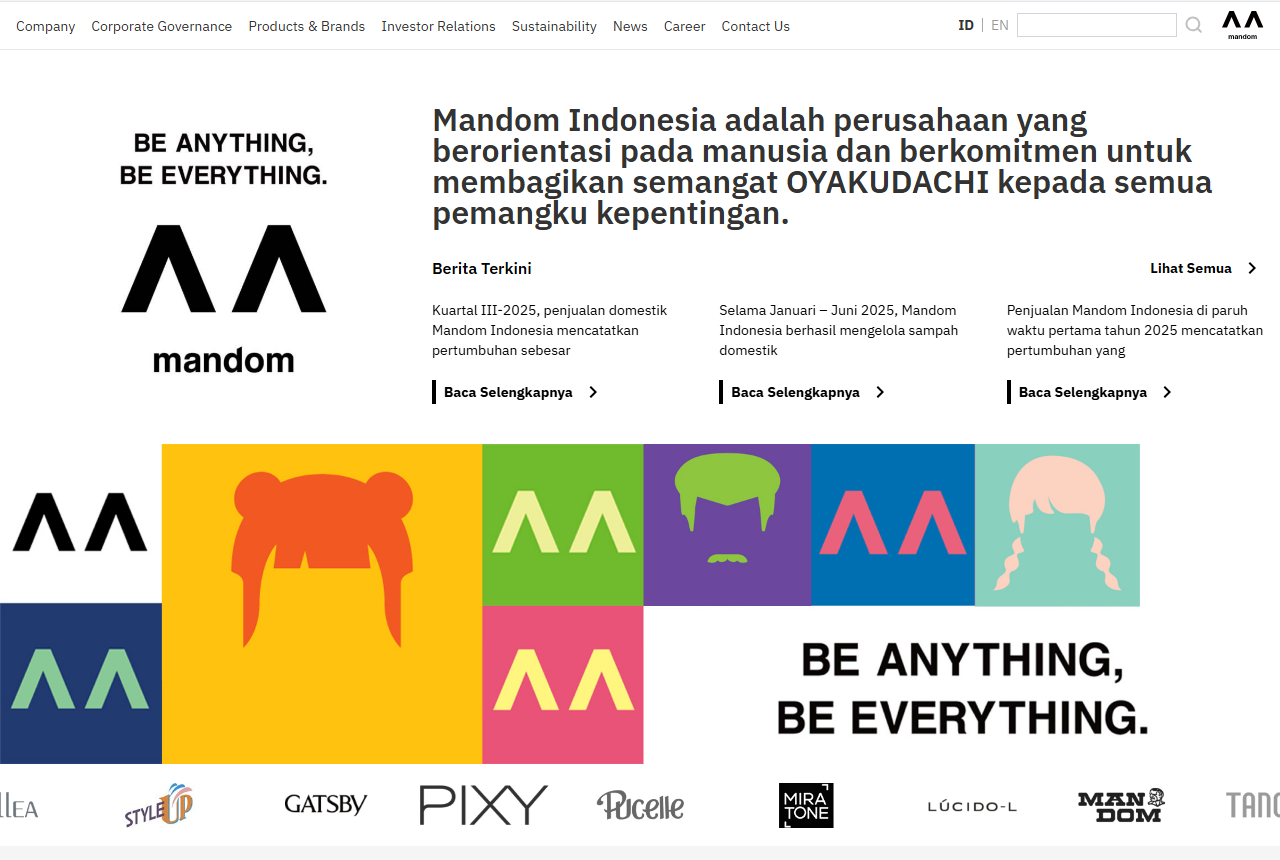
HQ: Jakarta · Type: Manufacturer-brand · Best known for: Hair, grooming & cosmetics under Japanese standards
Mandom Indonesia produces well-known hair, grooming and cosmetics brands such as Gatsby, Pixy and Pucelle, backed by large-scale, BPOM-compliant production built to Japanese quality standards. Its scale and Japanese-linked process discipline appeal to brands prioritising consistency across very large production runs.
5. Martha Tilaar Group (PT Martina Berto)
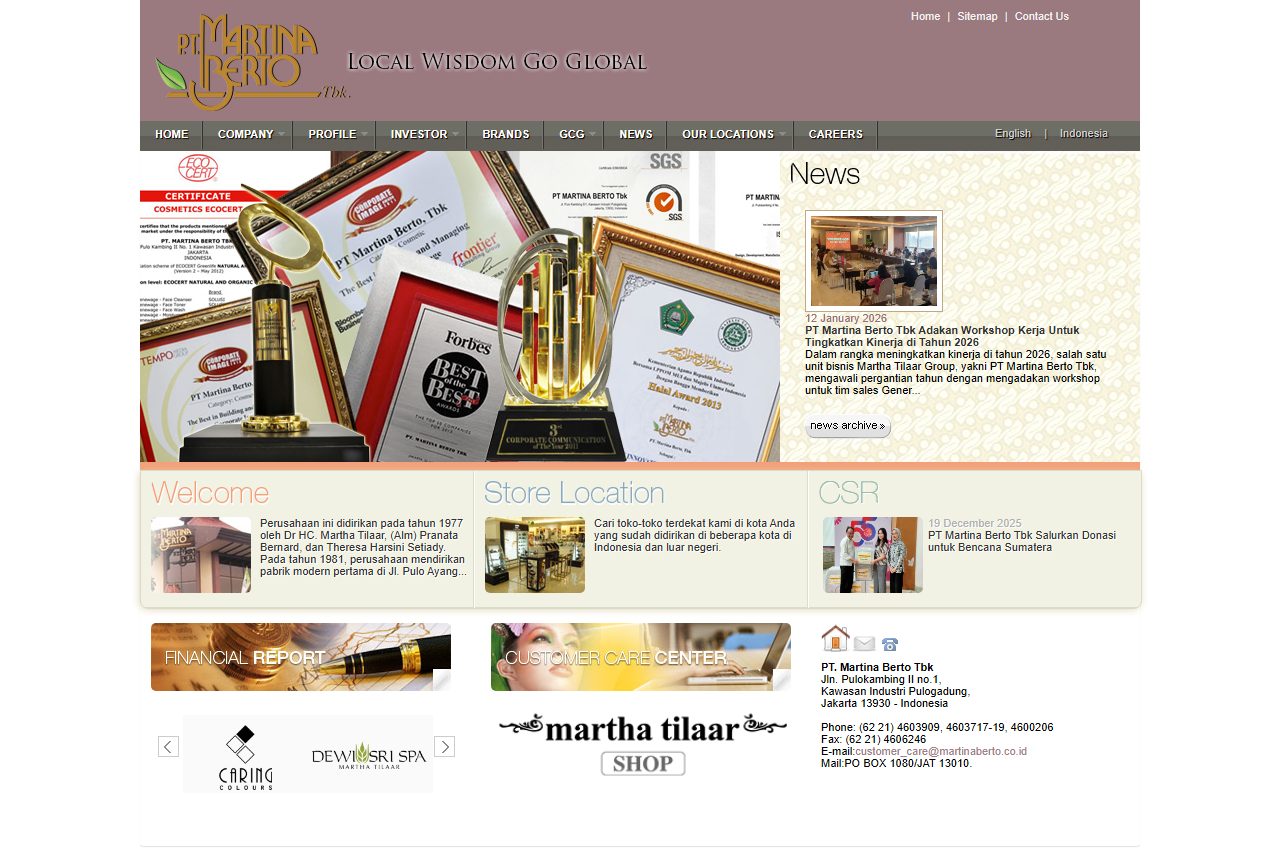
HQ: Jakarta · Type: Manufacturer-brand · Best known for: Herbal & natural colour cosmetics
Martha Tilaar Group, operating through PT Martina Berto, pioneered herbal and natural beauty in Indonesia through brands including Sariayu, and that heritage still anchors its formulation philosophy today. BPOM-compliant production and real export experience make it a credible partner for brands building around natural or traditional Indonesian ingredients.
6. Paragon Corp
HQ: Tangerang · Type: Manufacturer-brand (largest local player) · Best known for: Wardah, Make Over, Emina, Kahf
Paragon is, by most measures, Indonesia’s largest domestic cosmetics manufacturer, standing behind category-leading brands such as Wardah, Make Over, Emina and Kahf. Large-scale BPOM-compliant production, serious in-house R&D and strong Halal capability combine to make it the reference point for scale in the Indonesian market.
7. PT Delident Chemical Industry
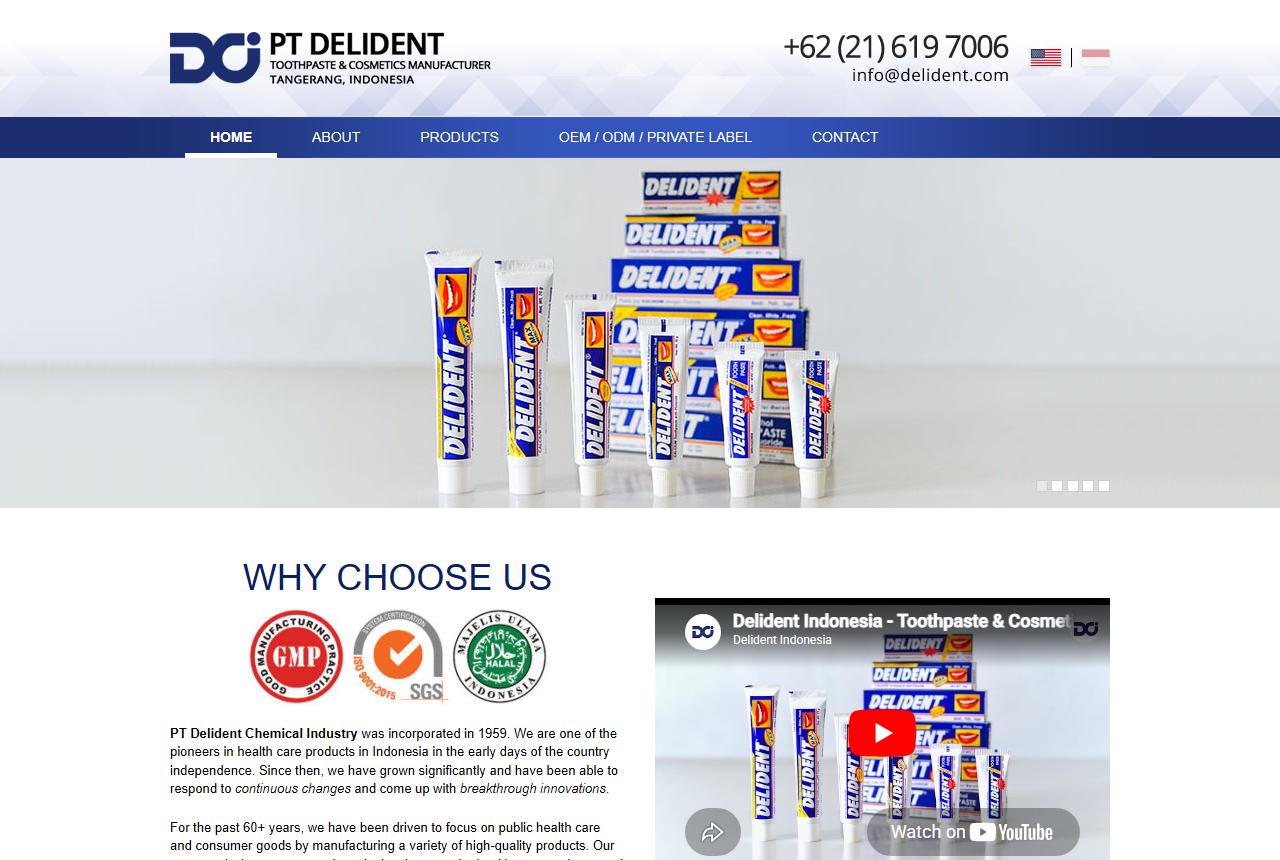
HQ: Jakarta · Type: OEM/ODM manufacturer · Best known for: Toothpaste, creams & general cosmetics
PT Delident has built a solid reputation as an OEM/ODM and private-label manufacturer of toothpaste, creams and broader cosmetic products, operating under GMP and BPOM compliance with a focus on high-quality, cost-efficient output. It suits brands whose product line crosses over into oral or general personal care alongside cosmetics.
8. Republic of Soap
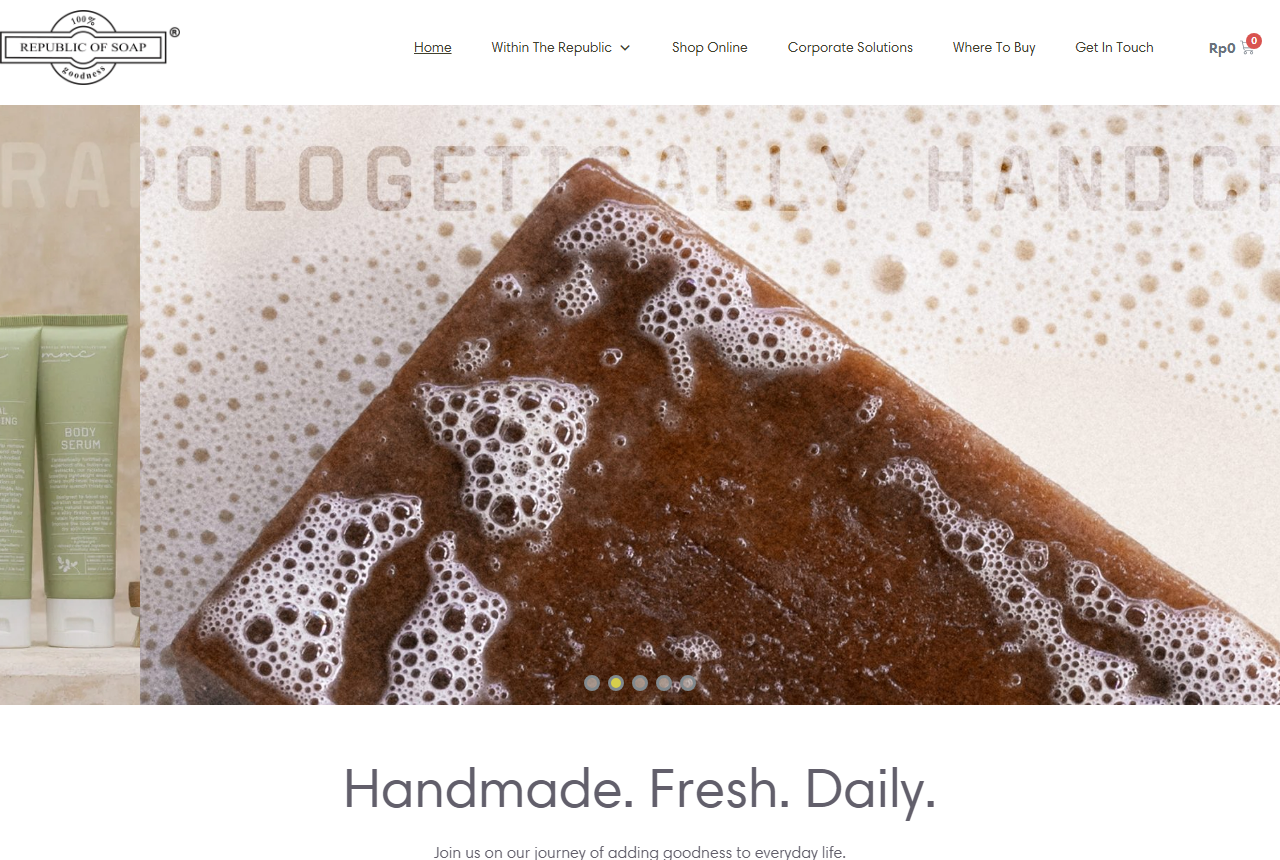
HQ: Jakarta · Type: OEM/ODM (since 2003) · Best known for: Handmade soap & natural skincare
Republic of Soap has been producing OEM and ODM private-label skincare and handmade soap since 2003, with a specialism in natural, small-batch formulation and dedicated brand-development support. For a founder building a soap or naturals line specifically, that two-decade specialism carries more weight than a general-purpose factory’s broader capability.
Sourcing considerations
BPOM oversight and CPKB/GMP production standards give Indonesian manufacturing a solid regulatory floor, but that clearance is specific to Indonesia — it doesn’t automatically extend to wherever a brand ultimately sells. A Malaysian brand producing through any of the manufacturers above still needs to complete NPRA cosmetic notification before the product can legally be sold in Malaysia, exactly as it would for a locally-made product. The same principle applies to any other export market a brand is targeting.
Before committing to an Indonesian manufacturer, confirm current BPOM registration status, ask whether Halal certification is genuinely in place (rather than implied), and get MOQs in writing for your exact product format. For background on how contract manufacturing works more broadly, see our explainer on what OEM means in practice, and browse further country profiles in our OEM Manufacturer archive.
Why Halal certification is a competitive advantage, not just compliance
In most manufacturing markets, Halal certification is treated as a niche requirement for a specific customer segment. In Indonesia, it’s closer to a baseline expectation — the country’s own consumer base skews heavily toward products that carry visible Halal assurance, and manufacturers like Paragon have built market-leading positions partly on that trust. For a brand that plans to sell into Indonesia itself, and not just manufacture there for re-export, treating Halal certification as an afterthought is a real commercial risk rather than a compliance box to tick later.
That local dynamic also benefits export-focused brands. A Halal-certified product manufactured in Indonesia carries genuine credibility across other Muslim-majority markets in South-East Asia and the Middle East, which is one reason several manufacturers on this list actively market their Halal capability to international as well as domestic clients. Brands weighing Indonesia against other ASEAN manufacturing hubs should factor this in as a distinct advantage, not just a nice-to-have certification.
What buyers should know before approaching Indonesian factories
Indonesia’s manufacturing base splits fairly cleanly into two tiers: maklon specialists built around indie and first-time brands, and large manufacturer-brands built around their own product lines that also take on private-label work at scale. Knowing which tier fits your volume and budget before reaching out saves a lot of back-and-forth — a maklon house like MKI is unlikely to be the right fit for a brand planning container-scale production, just as a giant like Paragon is unlikely to prioritise a small first-run order.
As with any offshore manufacturing decision, written confirmation of BPOM registration status, Halal certification (where relevant) and MOQs for your specific product format is worth securing before any deposit changes hands, rather than relying on a company’s general marketing claims.
Frequently asked questions
What does “maklon” mean in Indonesian manufacturing?
Maklon is the Indonesian term for contract or OEM manufacturing, where a factory produces cosmetics that are then sold under a brand’s own label. Many Indonesian maklon firms specialise in low MOQs and BPOM registration support, making them accessible to newer brands.
Are Indonesian cosmetic manufacturers Halal-ready?
Many are, and it’s a genuine market advantage rather than a niche request — Indonesia is the world’s largest Muslim-majority market. Most reputable manufacturers support Halal certification alongside standard BPOM notification, but it’s still worth confirming current certification status directly.
How is cosmetics manufacturing regulated in Indonesia?
Cosmetics fall under BPOM, the National Agency of Drug and Food Control, and are produced under CPKB/GMP standards. Always confirm current certifications, Halal status and MOQs directly with the manufacturer before committing, since requirements and approvals can change.
Should a small brand start with a maklon specialist or a large manufacturer-brand?
For a first product run, maklon specialists like MKI, Aimskincare or Republic of Soap generally offer more accessible MOQs and faster onboarding. Larger manufacturer-brands such as Paragon or Kino tend to suit brands that already have committed volume and a longer-term production relationship in mind.
This article is an independent industry overview, not a paid endorsement or referral. Company details change — always verify current certifications, capabilities and MOQs directly with the manufacturer before signing a contract.
About the author
Dee Truong is a Vietnam-based professional with experience in the beauty and consumer-product sector. Her interests include product development, market trends and the commercial side of bringing consumer products from concept to market. LinkedIn