OEMReview’s Founder Spotlight series revisits publicly published interviews with consumer-product founders and draws out the manufacturing and product-development lessons most relevant to OEM and private-label brand owners. This edition looks at Pañpuri, the Thai luxury-wellness brand founded by Vorravit “Pui” Siripark.
A return to Thai roots
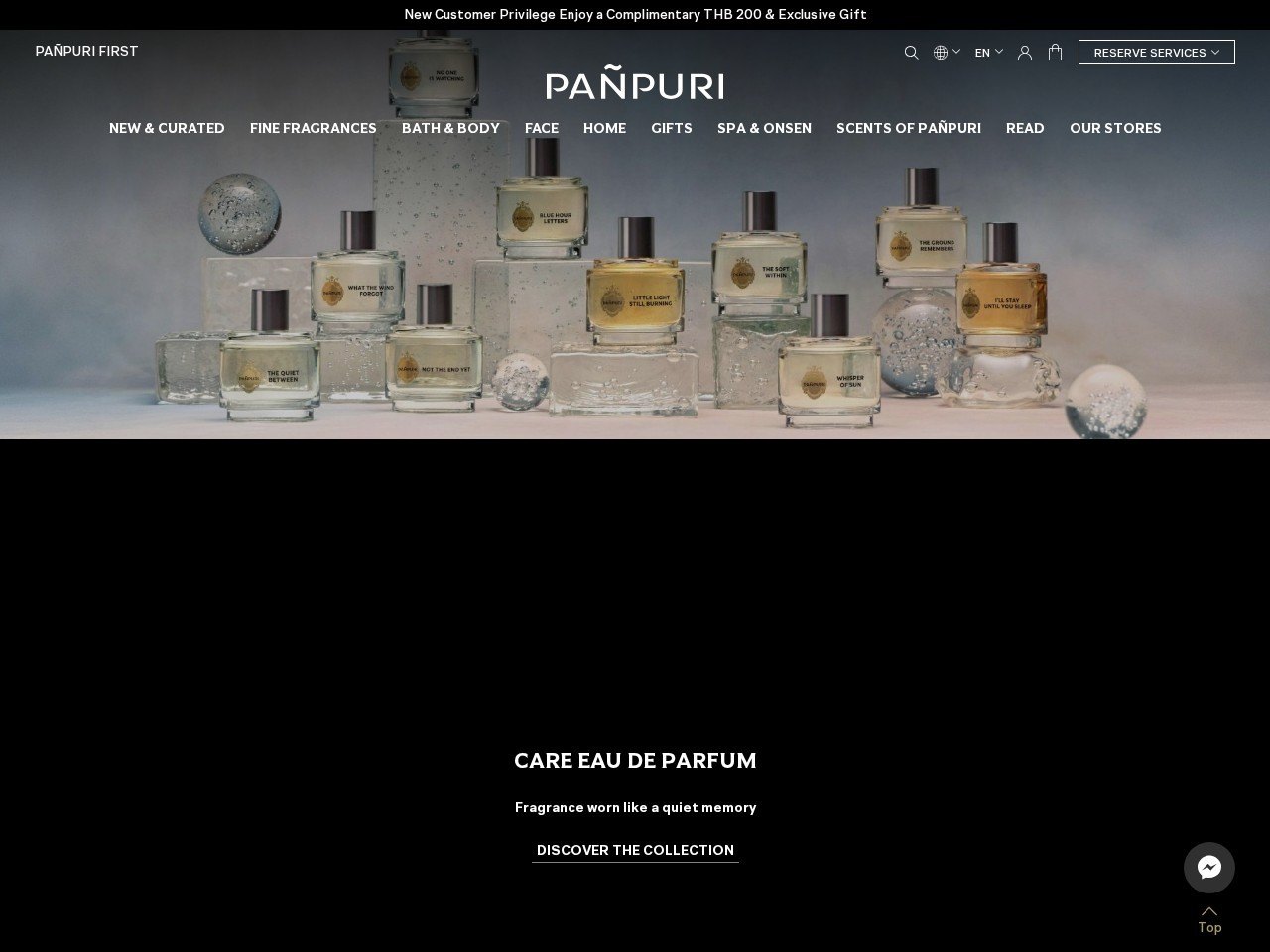
Vorravit Siripark was working as a management consultant in New York when 9/11 became the catalyst to change direction. He studied luxury-goods management in Milan, then returned to Thailand with a question: why did the country’s leading spas stock foreign wellness products, when Thailand had a centuries-deep heritage of herbal healing? His answer was Pañpuri — a brand built to package Thai wellness for a global audience, drawing on ingredients like jasmine, lemongrass, turmeric and sandalwood.
A clean-formulation standard as the product backbone
The most transferable part of Pañpuri’s story for manufacturers is how it turned “natural” from a claim into a documented standard. The brand developed a proprietary “ZeroList” approach — identifying thousands of ingredients it would not use and formulating around natural alternatives instead — and built signature products such as alcohol-free, moringa-oil-based fragrances that most conventional perfumery would consider difficult.
That discipline is a manufacturing decision as much as a marketing one: a defined restricted-substances list shapes every supplier brief, every raw-material spec and every stability test. In 2024 the Japanese beauty group Kose acquired a majority stake in Pañpuri — validation that a rigorously formulated, heritage-rooted brand can reach a global stage.
“True luxury lies in mindfulness, in rituals that enhance everyday life, and in authenticity.”
— Vorravit Siripark, Pañpuri
What OEM & private-label brand-builders can learn
- Turn “clean” into a written standard. A named restricted-substances list (like ZeroList) is auditable, briefable and defensible — far stronger than a vague “natural” promise. Give your manufacturer an actual exclusion list.
- Build around a hero natural ingredient. Moringa-oil, alcohol-free fragrance became a signature because it was hard to make. A distinctive, well-sourced ingredient can define both the formula and the story.
- Heritage is a differentiator you can’t be copied on. Authentic Thai provenance gave Pañpuri something no contract-manufactured lookalike could replicate. Root the product in something real.
- Rigorous formulation is what makes a brand acquirable. The Kose deal followed years of formulation control. Doing the technical work properly is what lets a brand scale — or exit — on its own terms.
Written by Dee Truong for OEMReview. Brand names are used for identification and commentary only. Read more at Forbes.
About the author
Dee Truong is a Vietnam-based professional with experience in the beauty and consumer-product sector. Her interests include product development, market trends and the commercial side of bringing consumer products from concept to market. LinkedIn