
By Marc Phu · Cosmetics Product Development & Ingredients · Published 16 Jul 2026
Nestlé Health Science is a genuinely young division carrying an old company’s full weight behind it. Created in 2011, more than 140 years after Nestlé itself was founded, the division was built specifically to develop nutritional healthcare products targeting areas like brain health and healthy ageing — categories that sit closer to medicine than to Nestlé’s traditional food and beverage business.
This profile looks at why a company built on infant formula and chocolate chose to create a dedicated health science division nearly a century and a half into its history, how that division draws on Nestlé’s existing global manufacturing network rather than building an entirely separate one, and what this kind of internal spin-out can teach other established manufacturers about entering an adjacent but genuinely different category.
Key takeaways
- Nestlé Health Science was created in 2011, extending Nestlé’s existing nutrition, health and wellness focus into dedicated nutritional healthcare products.
- The division targets specific health areas such as brain health and healthy ageing, positioning its products closer to medical nutrition than Nestlé’s traditional consumer food and beverage business.
- It is headquartered administratively at the Nestlé Research Center in Vers-chez-les-Blancs, Switzerland, with market-level headquarters in every country where it operates.
- The division reaches more than 140 countries with roughly 11,000 dedicated employees, while drawing on Nestlé’s broader global manufacturing network rather than operating an entirely separate one.
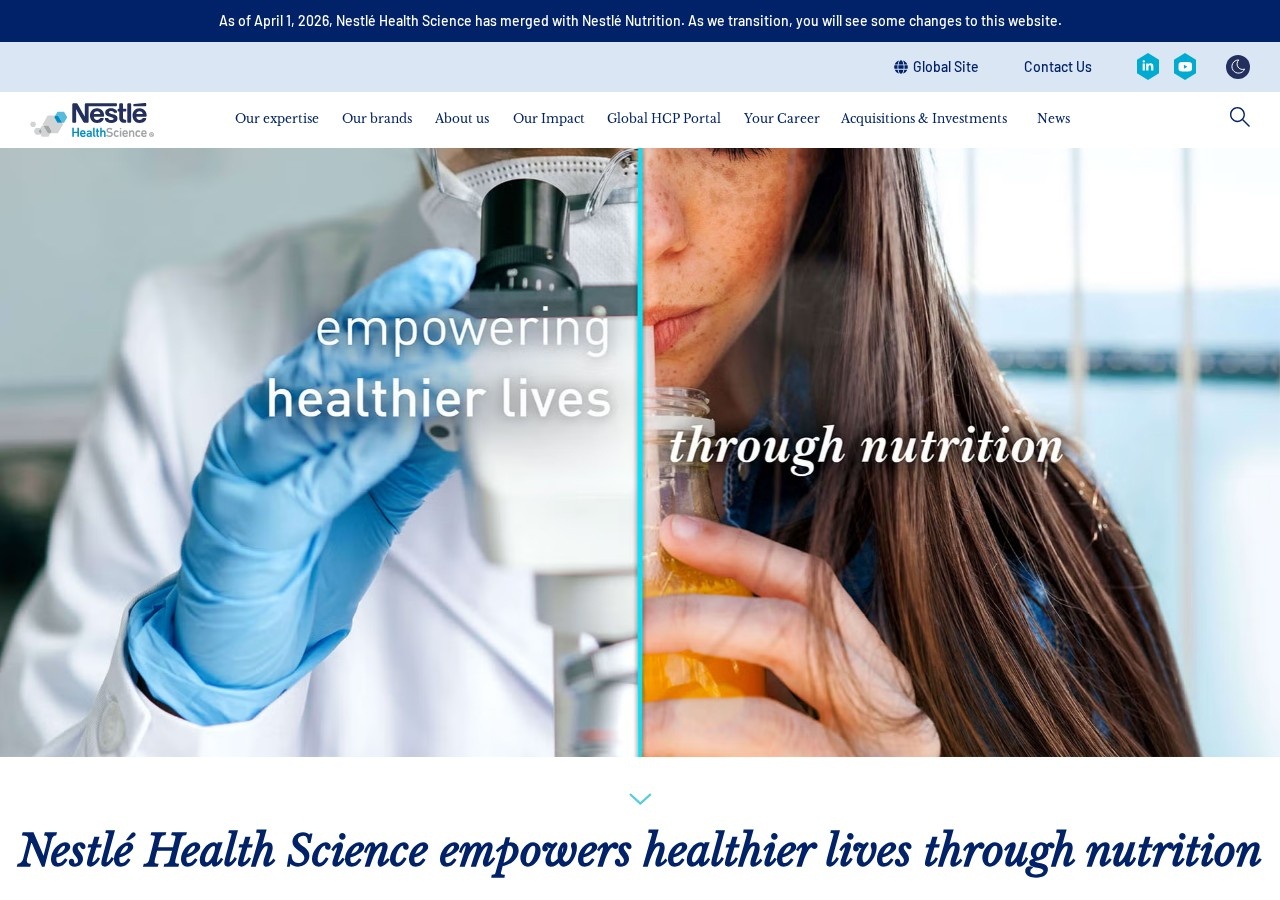
- As of April 2026, Nestlé Health Science has merged with Nestlé Nutrition, reflecting a further evolution of how the parent company structures its health-focused businesses.
Why a 150-year-old company creates a new division
Nestlé’s core business, built over more than a century, centres on food, beverages and infant nutrition sold to a broad consumer base. Nutritional healthcare products, aimed at specific medical or near-medical conditions like cognitive decline or age-related nutritional needs, require a genuinely different kind of scientific substantiation, regulatory pathway and go-to-market approach than a typical consumer food or beverage product.
Rather than attempting to build this capability inside its existing consumer nutrition business, where medical-grade substantiation requirements would sit awkwardly alongside mainstream product development timelines, Nestlé created Nestlé Health Science as a distinct division in 2011, with its own dedicated leadership, research focus and commercial approach separate from the parent company’s mainstream food and beverage operations.
Leveraging an existing manufacturing network rather than building a new one
A newly created division entering a specialised category like medical nutrition faces an immediate practical question: build entirely new manufacturing infrastructure, or draw on capability the parent company already operates at scale. Nestlé Health Science operates as part of the broader Nestlé organisation specifically to leverage its parent’s existing global manufacturing network and food-science expertise, rather than duplicating factories and supply chains the wider Nestlé group had already spent over a century building.
This is a meaningfully different approach from an independent nutraceutical startup, which would need to build or contract manufacturing capability from nothing. For an established food or consumer goods company considering a similar move into an adjacent health-focused category, Nestlé Health Science’s structure suggests that leveraging existing manufacturing scale, rather than building parallel infrastructure, is generally the more capital-efficient path when a genuine internal manufacturing base already exists.
A truly global operating footprint
The division’s products reach more than 140 countries, supported by roughly 11,000 employees dedicated specifically to Nestlé Health Science’s mission, distinct from the parent company’s much larger total workforce. Rather than operating from a single centralised headquarters, the division maintains market-level headquarters in every country where it does business, alongside its administrative base at the Nestlé Research Center in Vers-chez-les-Blancs, Switzerland, and corporate headquarters in Vevey.
This distributed structure, local market-level headquarters layered under a centralised research and administrative base, lets the division adapt to regulatory and consumer differences across 140-plus countries while still drawing on centralised scientific expertise, a structural pattern relevant to any company scaling health-focused products across genuinely different regulatory environments.
Sustainability commitments across the manufacturing network
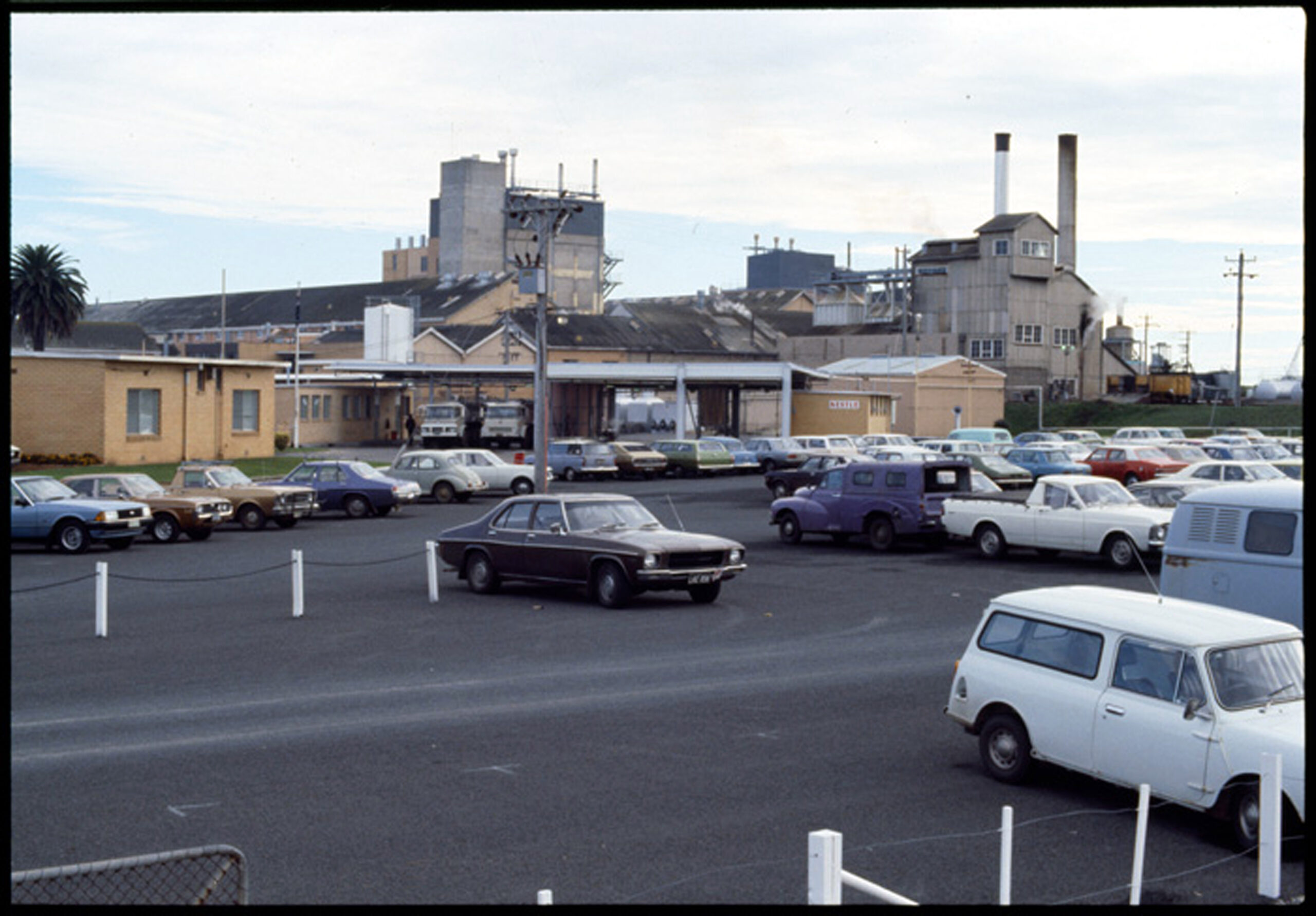
Nestlé has reported that all of its factories reduced landfill waste to zero by 2020, alongside significant reductions in greenhouse gas emissions and water usage over the preceding decade. As a division drawing on this same manufacturing network, Nestlé Health Science’s products benefit from sustainability infrastructure and standards built at the parent company’s full scale, rather than a newer, smaller division needing to develop equivalent environmental standards independently from a much smaller production base.
This illustrates a genuine advantage of the internal-division model over an independent startup entering the same category: inheriting an established parent company’s existing sustainability infrastructure and compliance systems, rather than building comparable systems from scratch at a fraction of the scale.
A 2026 structural evolution
As of 1 April 2026, Nestlé Health Science merged with Nestlé Nutrition, a structural change the company describes as an ongoing transition that will bring further changes to how the division’s business is organised and presented publicly. Continuing to adjust internal structure fifteen years after the division’s original 2011 creation reflects an organisation still actively refining how its health-focused businesses relate to its broader nutrition portfolio, rather than treating the original 2011 structure as permanent.
For any company that has spun out a distinct division for a new category, this ongoing structural adjustment is a reminder that the initial organisational design is rarely the final one; revisiting and merging related divisions as a business matures is a normal part of organisational evolution rather than a sign the original decision was wrong.
Lessons for OEM and private label brands
Several elements of Nestlé Health Science’s approach apply at a much smaller scale. When entering a category that requires genuinely different substantiation or regulatory rigour than a company’s existing business, creating a distinct internal structure, even a modest one, can prevent the new category’s requirements from being awkwardly forced into processes designed for a different kind of product. Leveraging existing manufacturing and compliance infrastructure, where a genuine capability already exists internally, is almost always more efficient than duplicating it from scratch. And organisational structures should be expected to evolve as a new division matures, rather than treated as fixed from day one.
None of these require Nestlé’s scale or manufacturing network. A smaller brand entering a more clinically substantiated category, such as moving from general wellness supplements into more medically framed nutrition products, faces the same underlying question about how much new infrastructure and process genuinely needs to be built versus adapted from what already exists.
Where the division stands today
Nestlé Health Science continues to operate as part of the broader Nestlé organisation, reaching more than 140 countries with a focus on nutritional healthcare products addressing specific health needs like brain health and healthy ageing. Its April 2026 merger with Nestlé Nutrition marks the latest stage in an evolving structure that has adjusted multiple times since the division’s original 2011 creation.
Why category-specific substantiation requirements matter
A general wellness supplement making a broad, appearance-focused claim faces a genuinely different regulatory and scientific substantiation bar than a nutritional healthcare product aimed at a specific clinical or near-clinical outcome, such as supporting cognitive function during ageing. The latter typically requires more rigorous clinical evidence, closer alignment with medical nutrition standards, and often engagement with healthcare professionals as part of the go-to-market strategy, rather than consumer marketing alone.
Recognising this distinction clearly, and building organisational processes suited to whichever side of that line a given product actually sits on, is a genuinely important decision for any company developing health-adjacent products. Treating every product with the same substantiation and marketing approach, regardless of how clinically specific its claims are, risks either over-investing in unnecessary rigor for a general wellness product or under-substantiating a product that genuinely needs medical-grade evidence.
Frequently asked questions
When was Nestlé Health Science created?
In 2011, as a distinct division of Nestlé focused on nutritional healthcare products targeting specific health needs rather than general consumer food and beverages.
Where is Nestlé Health Science headquartered?
Administratively based at the Nestlé Research Center in Vers-chez-les-Blancs, Switzerland, with market-level headquarters in each country where it operates and corporate headquarters in Vevey.
Does Nestlé Health Science have its own factories?
It operates as part of the broader Nestlé organisation, drawing on the parent company’s existing global manufacturing network rather than a separate, dedicated production base.
What changed for Nestlé Health Science in 2026?
As of 1 April 2026, it merged with Nestlé Nutrition, an ongoing structural transition the company has said will bring further changes to how the business is organised.
Further reading
- Nestlé Health Science — official website
- Nestlé — Wikipedia
- Nestlé: The Timeline of Nestlé’s Company History (official)
- For background on how OEM and private label brands typically get built, see our explainer on what OEM manufacturing involves.
- Our Ingredients & Formulations coverage looks at other formulation and product innovations shaping the industry.
This article is an independent editorial profile based on publicly available information. All figures should be verified against the company’s current public disclosures.
About the author
Marc Phu is a China-based professional with experience related to cosmetics and the beauty industry. His background provides an industry perspective on product development, ingredients, innovation and the evolving Chinese beauty market. LinkedIn