
By Marc Phu · Cosmetics Product Development & Ingredients · Published 01 May 2026
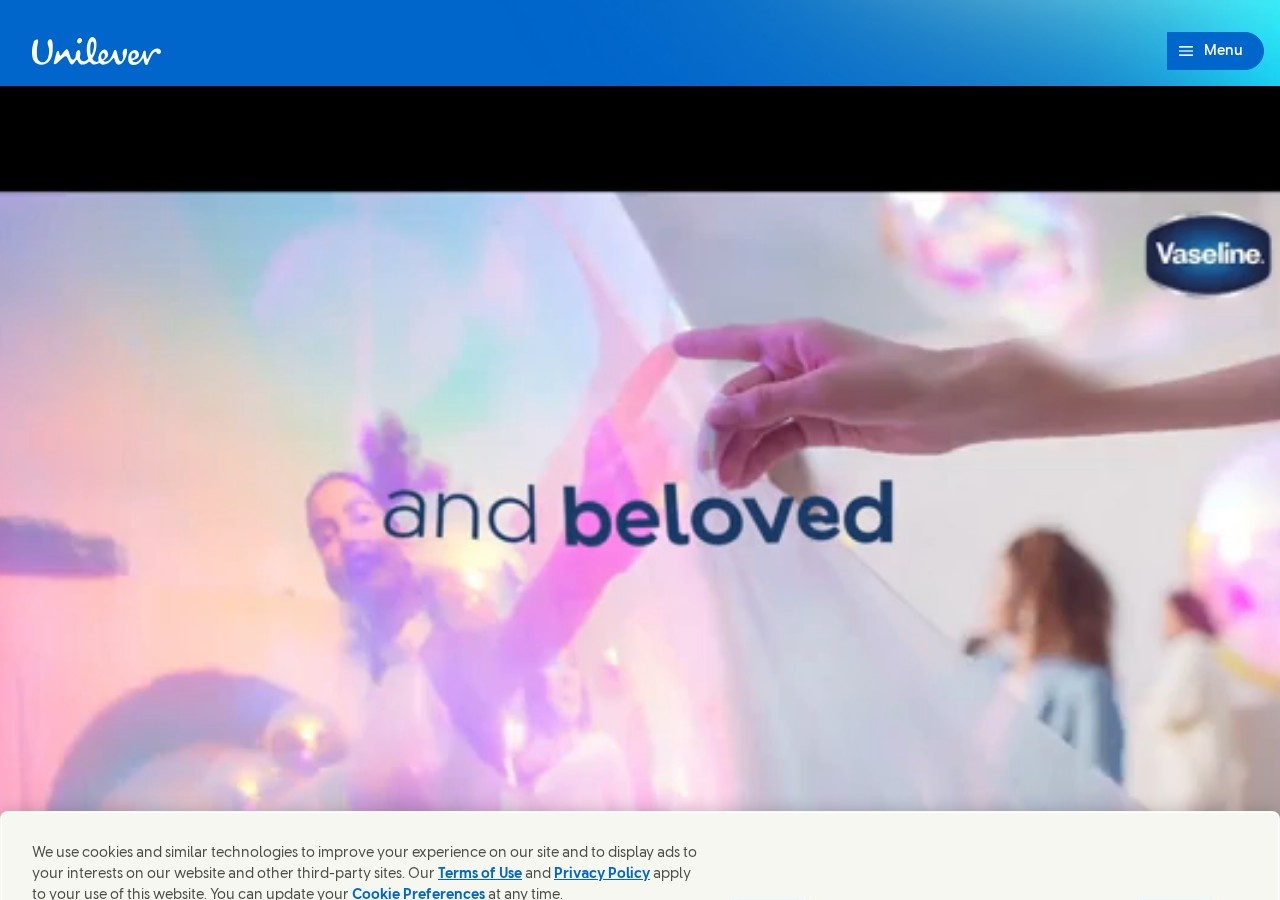
Unilever was born from what The Economist once called one of the biggest industrial amalgamations in European history: the 1929 merger of a British soap maker, Lever Brothers, and a Dutch margarine consortium, Margarine Unie. Officially established on 1 January 1930, the combined company went on to become one of the largest producers of soap in the world and a major force across beauty, personal care and home care, sold in more than 190 countries.
This profile traces how two unrelated industries, soap and margarine, ended up merged into a single global conglomerate, how that unusual origin shaped Unilever’s structure for nearly a century afterward, and what its approach to manufacturing modernisation can teach other manufacturers navigating large, ageing production networks.
Key takeaways
- Unilever was formed on 1 January 1930 through the merger of British soap maker Lever Brothers and Dutch margarine consortium Margarine Unie.
- The company maintained dual headquarters in London and Rotterdam until unifying its corporate structure in 2020.
- Unilever organises its business into four groups: Beauty & Wellbeing, Personal Care, Home Care, and Nutrition.
- It is widely reported as the world’s largest producer of soap, with products distributed across more than 190 countries.
- The company has invested heavily in modernising its manufacturing network, including deploying AI-enabled digital twins across factories representing over 75% of its total production capacity.
A merger between two unrelated industries
Lever Brothers, founded in 1885 by brothers William Hesketh Lever and James Darcy Lever, had built a substantial soap-making business, acquiring more than twenty soap companies across England, Ireland and Scotland by 1920, and had separately moved into margarine production through its Planters Margarine Company subsidiary. Margarine Unie, meanwhile, was formed from the merger of margarine businesses Jurgens and Van den Bergh, itself building on a formula for margarine that rival manufacturers had obtained decades earlier.
The two companies shared enough overlapping raw material supply chains, both relying heavily on vegetable oils and fats, that a formal merger made commercial sense despite soap and margarine seeming like unrelated consumer categories on the surface. That underlying raw-material logic, rather than any obvious product-category synergy, is what actually drove one of the largest corporate combinations in European history.
Nearly a century of dual headquarters
From its 1930 founding until 2020, Unilever operated as two legally distinct entities, Unilever PLC in London and Unilever NV in Rotterdam, reflecting its dual British and Dutch origins. Maintaining this structure for nine decades, rather than fully consolidating into a single entity, allowed the company to preserve elements of both national corporate identities and shareholder bases throughout its growth.
The eventual 2020 unification into a single corporate structure reflected a recognition that the operational complexity of maintaining dual headquarters had, over time, outweighed whatever benefits the arrangement originally provided — a useful reminder that a structure suited to a company’s founding circumstances is not necessarily suited to that same company’s scale decades later.
Four business groups, one global network
Unilever today organises its portfolio into four main groups: Beauty & Wellbeing, Personal Care, Home Care, and Nutrition. This structure lets the company apply category-specific expertise and manufacturing standards across genuinely different product types, from skincare formulations to food products to laundry detergents, without treating them as a single undifferentiated business.
The company is widely cited as the world’s largest producer of soap, a direct legacy of Lever Brothers’ original 19th-century business, and its products reach consumers in more than 190 countries — among the broadest geographic distributions of any consumer goods company globally.
Modernising a century-old manufacturing network
Unilever has been investing significantly in digital manufacturing technology, including the Unilever Manufacturing System, now live across 124 factories covering more than 2,100 manufacturing lines and representing over 75% of the company’s total production capacity. More recently, the company announced a multi-year partnership to scale AI-enabled digital twins, virtual models of physical production lines, across its global manufacturing network, with more than 40 new digital twins planned within an 18-month period.
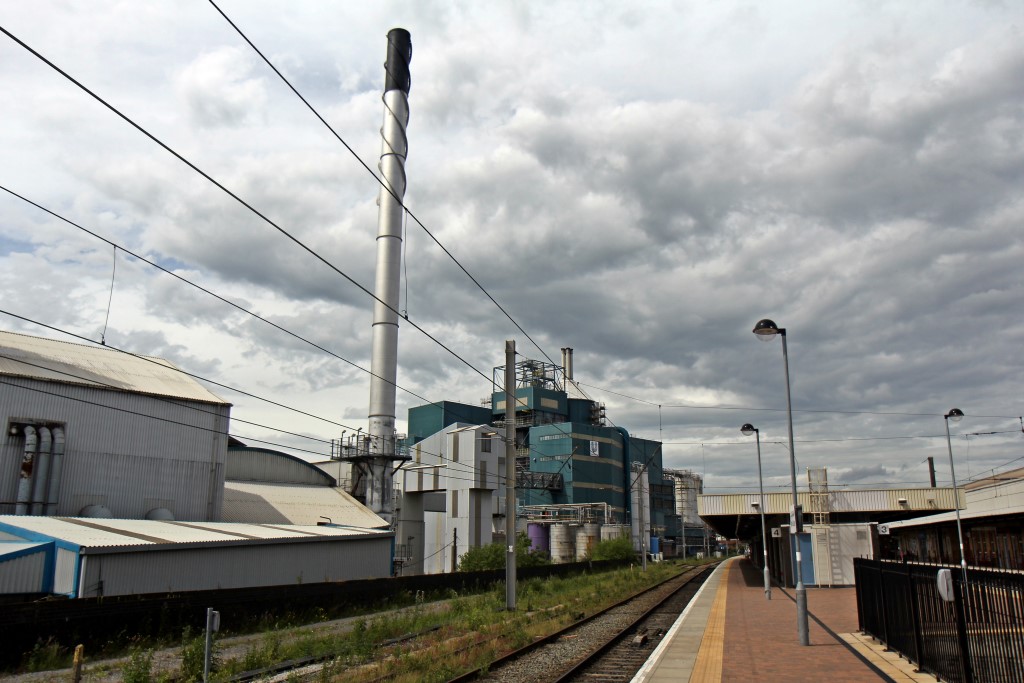
Modernising a manufacturing base built up gradually over nearly a century, rather than starting from a single greenfield design, is a genuinely different challenge from building new capacity from scratch. Unilever’s approach, layering digital monitoring and simulation technology onto existing physical plants, is a practical model for any manufacturer managing an ageing production network rather than replacing it wholesale.
Investing in new categories: the Jefferson City example
In 2024 and 2025, Unilever invested more than $80 million in its Jefferson City, Missouri facility, which has operated since 1966, to add production capability for Liquid I.V., marking the first Unilever site to manufacture products for the company’s Health & Wellbeing portfolio. Repurposing a nearly six-decade-old facility for an entirely new product category, rather than building an entirely new plant, reflects the same pattern seen throughout Unilever’s manufacturing modernisation: extending the useful life of existing infrastructure through targeted new investment.
For a smaller brand or manufacturer, the transferable principle is recognising when an existing facility can be adapted for a new product line with targeted investment, rather than assuming new capability always requires entirely new infrastructure.
Lessons for OEM and private label brands
Several elements of Unilever’s history apply at a much smaller scale. Recognising a genuine underlying synergy, such as a shared raw-material supply chain, can justify combining seemingly unrelated product categories under one operation, even when the surface-level connection looks unclear. Corporate or operational structures suited to a company’s founding circumstances should be revisited as the company scales, rather than preserved indefinitely out of habit. And modernising existing infrastructure through targeted investment is often more efficient than replacing it wholesale, provided the underlying facility remains fundamentally sound.
None of these require Unilever’s global scale. A smaller brand recognising a genuine supply-chain synergy between product lines, periodically reassessing whether its own operating structure still fits its current size, and investing in upgrading an existing manufacturing relationship rather than always seeking a new one, is applying the same underlying logic.
What the merger’s longevity itself demonstrates
Corporate mergers of the scale Unilever represents in 1929 frequently unwind, get broken apart by activist investors, or quietly fade as the original combined logic stops applying decades later. That Unilever has instead operated as a coherent single entity for nearly a century, expanding well beyond its founding soap-and-margarine categories into beauty, personal care and broader nutrition, suggests the original underlying rationale, shared raw material supply chains and complementary distribution, provided a genuinely durable foundation rather than a short-term synergy story.
Where the company stands today
Unilever remains one of the largest consumer goods companies in the world, organised across Beauty & Wellbeing, Personal Care, Home Care and Nutrition, with products reaching more than 190 countries. Its manufacturing network, built up gradually since 1930 and now substantially modernised through digital monitoring and simulation technology, continues to anchor a business whose origins in a merger between soap and margarine makers remain an unusual but instructive case study in industrial consolidation.
Balancing global scale with local brand relevance
Operating in more than 190 countries requires Unilever to manage a genuine tension between global manufacturing and marketing efficiency on one hand, and local consumer relevance on the other. The company addresses this partly by allowing regional and local brands to persist within its portfolio, rather than replacing every acquired or long-standing local name with a single global brand identity, even where consolidating under one name might appear to offer marketing efficiencies.
This willingness to preserve local brand identity where it genuinely matters to consumers, rather than defaulting to global standardisation purely for internal simplicity, is a useful principle for any brand expanding into a new market with its own established local preferences and existing trusted names, even if doing so adds real complexity to the company’s overall brand management and marketing operations.
Frequently asked questions
When was Unilever founded and how?
Unilever was officially established on 1 January 1930, following a 1929 merger agreement between British soap maker Lever Brothers and Dutch margarine consortium Margarine Unie.
Why did a soap company merge with a margarine company?
Both businesses relied heavily on overlapping vegetable oil and fat supply chains, giving the merger a genuine underlying commercial logic despite soap and margarine appearing to be unrelated consumer categories.
How is Unilever’s business organised today?
Into four main groups: Beauty & Wellbeing, Personal Care, Home Care, and Nutrition, reflecting the breadth of categories inherited from its founding merger and subsequent growth.
What can a smaller brand learn from Unilever’s manufacturing approach?
That modernising and repurposing existing manufacturing infrastructure through targeted investment is often more efficient than replacing it entirely, provided the underlying facility remains sound.
Further reading
- Unilever — official global website
- Unilever — Wikipedia
- Unilever: Jefferson City Factory Liquid I.V. Production (official press release)
- For background on how OEM and private label brands typically get built, see our explainer on what OEM manufacturing involves.
- Our OEM Manufacturer category covers other contract manufacturers and industry leaders worth knowing.
This article is an independent editorial profile based on publicly available information. All figures should be verified against the company’s current public disclosures.
About the author
Marc Phu is a China-based professional with experience related to cosmetics and the beauty industry. His background provides an industry perspective on product development, ingredients, innovation and the evolving Chinese beauty market. LinkedIn